What Does a Culinary Consultant Do? The Complete Guide for Restaurants, Food Brands & Startups
Discover what culinary consultants do, the services they provide, and how they help restaurants and food brands build profitable, scalable operations. The ultimate guide for decision-makers.
What Does a Culinary Consultant Do? The Complete Guide
If you’re building a restaurant, developing a food product, or scaling a food brand, you’ve likely wondered: What exactly does a culinary consultant do? And more importantly—do you need one?
This is the most comprehensive guide available on culinary consulting. We’ll cover what culinary consultants actually do, the industries that hire them, the ROI they deliver, and how to know if now is the right time to bring one into your business.
What Is a Culinary Consultant?
A culinary consultant is a strategic advisor with deep food industry expertise who helps restaurants, food brands, manufacturers, and foodservice companies solve complex operational, product development, and revenue-generation challenges.
Unlike a private chef or cooking instructor, a culinary consultant is a business strategist first and a culinary expert second. They combine culinary knowledge with operational acumen, financial discipline, and market insight to help food businesses become more profitable, scalable, and competitive.
Think of a culinary consultant as a fractional executive who understands both the kitchen and the boardroom—and can bridge the gap between culinary vision and business reality.
The Core Difference: Culinary Skill vs. Business Strategy
Many food entrepreneurs assume a great chef makes a great consultant. That’s a dangerous assumption.
A great culinary consultant needs to understand:
- Menu engineering and profitability – Not just flavor, but gross margin, food cost %, and customer lifetime value
- Operations at scale – How to replicate quality across multiple locations or production runs
- Food commercialization – Regulatory requirements, packaging, supply chain, distribution
- Financial modeling – Food costs, labor efficiency, waste reduction, margin optimization
- Product development – From R&D through market launch to consumer feedback loops
- Team leadership – How to recruit, train, and develop culinary talent
A world-class chef who doesn’t understand these elements will struggle as a consultant. A consultant who understands all of these can help a good chef become a great operator.
What Does a Culinary Consultant Actually Do?
Culinary consultants serve many functions depending on a client’s needs. Here’s what their typical advisory covers:
1. Menu Engineering & Optimization
One of the most immediate and impactful services a culinary consultant provides is menu analysis and optimization.
This involves:
- Profitability analysis – Calculating gross margin on every menu item, identifying low-profit or loss-leader dishes
- Menu psychology – Strategic placement, pricing, and descriptions that influence customer ordering patterns
- Food cost reduction – Identifying waste, optimizing recipes, improving supplier relationships without sacrificing quality
- Consistency mapping – Creating standardized recipes and preparation procedures across locations
- Seasonal menu development – Balancing ingredient availability with margin optimization
- Nutritional and dietary considerations – Meeting regulatory requirements while maximizing appeal
A typical finding: A restaurant has 40 menu items, but 80% of revenue comes from 12 items. A consultant helps identify which items to sunset, which to reposition, and which to feature more prominently.
Business impact: Menu optimization typically improves gross margin by 2-4 percentage points. For a $2M restaurant, that’s $40,000-$80,000 in additional annual profit.
2. Product Development & Recipe Engineering
For food brands, manufacturers, and CPG companies, culinary consultants guide the entire product development lifecycle.
This includes:
- Concept validation – Will this product actually sell? What’s the target consumer? What’s the competitive positioning?
- Recipe development – Creating recipes that taste great, scale consistently, and meet cost targets
- Scaling from home kitchen to production – Recipes that work at home don’t always work in a commercial kitchen with different equipment
- Shelf-stable vs. fresh considerations – Understanding preservatives, pH, water activity, and food safety implications
- Packaging interaction – How packaging choices affect product shelf life, consumer perception, and shelf placement
- Sensory testing & refinement – Gathering consumer feedback and iterating recipes based on data
- Regulatory compliance – Ensuring labels, ingredients, and claims meet FDA and state requirements
3. Food Commercialization
Moving a product from concept to market requires more than great flavor.
Culinary consultants help with:
- Market strategy – What channels make sense? (Direct-to-consumer, retail, foodservice, wholesale?)
- Price positioning – Setting prices that cover costs, deliver margin, and match consumer perception
- Distribution planning – How to get products into stores, e-commerce, or restaurant kitchens
- Go-to-market execution – Launch timing, supply chain readiness, retail partnerships
- Consumer education – How to communicate unique benefits to the right audience
- Competitive benchmarking – How does your product stack up against competitors in category, price, quality?
4. Restaurant Operations & Systems
For existing restaurants, consultants help optimize day-to-day operations:
- Kitchen workflow & efficiency – Reducing prep time, bottlenecks, and food waste
- Staffing & training – Building consistent quality with seasonal and part-time staff
- Inventory management – Right-sizing inventory to reduce waste and improve cash flow
- Cost control systems – Portion standards, usage tracking, variance analysis
- Quality control procedures – Ensuring consistency across service periods and staff
5. Culinary Innovation Strategy
For brands looking to stay competitive and differentiate:
- Trend analysis – What’s working in competitive kitchens and adjacent categories?
- Consumer insight translation – How to identify emerging tastes and translate them into menu innovation
- R&D roadmapping – Planned product pipeline over 6, 12, and 24 months
- Test-and-learn frameworks – How to experiment safely without jeopardizing core business
- Ingredient sourcing – Finding unique or hard-to-source ingredients that differentiate
- Equipment evaluation – Should you invest in new kitchen tech?
6. Supply Chain & Sourcing
A culinary consultant with deep industry relationships helps:
- Identify suppliers – Finding the right vendors for specialty ingredients, proteins, produce
- Negotiate contracts – Leveraging scale and relationships to improve pricing and terms
- Quality assurance – Building relationships with suppliers to ensure consistency and traceability
- Sustainability sourcing – Meeting consumer and brand values for sourcing practices
- Backup sourcing – Creating resilience when primary suppliers face disruption
7. Fractional Leadership
Some engagements involve ongoing operational leadership:
- Fractional CEO or COO roles – Providing strategic direction, quarterly business reviews, and ongoing accountability
- Culinary director services – Leading menu strategy, R&D, and culinary team development
- Advisory board participation – Attending quarterly meetings, weighing in on major decisions
What Industries Hire Culinary Consultants?
Restaurants
From fine dining to quick-service, restaurants hire consultants for:
- Opening support (concept, menu, training, launch)
- Turnarounds (low volume, high costs, inconsistent quality)
- Multi-unit scaling (how to maintain quality across locations)
- Innovation and menu refreshes
- Chef transitions (when the founder-chef steps back)
Food Brands & CPG Companies
Startup food companies and established brands use consultants for:
- New product launches
- Recipe scaling and reformulation
- Manufacturing support
- Regulatory navigation
- Innovation pipeline development
Fresh Food Manufacturers
Companies making prepared meals, meal kits, and fresh-prepared foods need help with:
- Production scaling
- Food safety and HACCP compliance
- Recipe optimization for shelf life
- Cost reduction without compromising quality
- Equipment selection and facility design
E-Commerce & Direct-to-Consumer
DTC food brands leverage consulting for:
- Product differentiation in crowded categories
- Subscription program design
- Packaging and logistics optimization
- Customer retention through product innovation
Foodservice & Institutional
Hospitals, schools, corporate cafeterias, and catering companies use consultants for:
- Menu development for large-scale production
- Nutritional compliance
- Cost management
- Food safety systems
- Staff training and execution
Specialty Food & Ingredient Manufacturers
Companies making sauces, grains, proteins, and specialty ingredients use consultants for:
- Product development for B2B customers
- Recipe application support
- Chef and influencer partnerships
- Marketing content creation
Why Should You Hire a Culinary Consultant?
Before we get into the specific circumstances where hiring makes sense, let’s talk about when it typically delivers ROI:
High-ROI Engagement Scenarios
1. You’re launching a new restaurant or concept
Mistake: Building a menu in isolation, then discovering your food cost is 35% or your prep time is unmanageable.
Reality: A consultant can help you develop a differentiated menu that’s operationally sound and financially attractive before you invest in real estate, build-out, and training.
Potential ROI: Avoiding a weak opening or costly menu redesign within 6 months of launch.
2. You’re developing and commercializing a food product
Mistake: Developing a recipe at home or in a small test kitchen, then discovering it doesn’t scale, has a shelf-life issue, or has a cost structure that doesn’t support your pricing.
Reality: A consultant helps you anticipate these challenges before you’ve invested in inventory, packaging, or marketing.
Potential ROI: A successful product launch that captures market share before competitors enter; avoiding costly recalls or reformulations.
3. Your restaurant is profitable but could be more efficient
Mistake: Operating with inconsistent food costs, high waste, inconsistent quality, and an overly complex menu.
Reality: A consultant can identify “hidden margin” through menu optimization, cost reduction, and operational efficiency.
Potential ROI: For a $2M restaurant, a 2-3% margin improvement = $40,000-$60,000 annually. The engagement typically pays for itself in the first 3-6 months.
4. You’re scaling from 1 to 5+ locations
Mistake: Scaling a menu and operations that worked in one location to multiple locations without standardization.
Reality: A consultant helps you create systems and procedures that allow you to replicate quality and cost performance.
Potential ROI: Reduced opening costs per new location; faster ramp to profitability for each new unit.
5. You need fractional leadership but can’t justify a full-time hire
Mistake: Lacking experienced operational leadership while growing, leading to inconsistent decisions and missed opportunities.
Reality: A fractional CEO or culinary director provides strategic guidance, accountability, and outside perspective.
Potential ROI: Better strategic decisions, faster execution, smoother fundraising conversations with investors or lenders.
6. You’re in a turnaround situation
Mistake: A restaurant or brand that’s underperforming without a clear diagnosis or action plan.
Reality: A consultant provides objective analysis, identifies root causes, and builds a turnaround roadmap.
Potential ROI: Avoiding closure; returning to profitability; positioning for sale.
When Should You NOT Hire a Culinary Consultant
Honestly assessing fit matters. You shouldn’t hire a consultant if:
- You’re just exploring the idea of a food business – Spend money on market research and small tests first
- You lack capital or operating funds – Consulting is most effective with budget to execute recommendations
- You’re not ready to act on advice – Consultants provide counsel, but execution is on you
- You have no clear strategic direction – Clarify your vision and goals first
- Your financials are too opaque – You’ll need solid P&L, inventory, and cost data for recommendations to be meaningful
What Makes a Great Culinary Consultant?
Not all consultants are created equal. Here’s what separates exceptional consultants from mediocre ones:
Essential Qualifications
1. Real operating experience
The best consultants have actually run restaurants, food companies, or manufacturing operations. They’ve faced real constraints, real failures, and real successes. They understand that theory doesn’t always work in practice.
2. P&L accountability
They’ve had to hit margin targets, manage costs, and answer to investors or stakeholders. This creates pragmatism. A consultant who’s never had to manage a P&L might recommend solutions that taste great but don’t scale or don’t make financial sense.
3. Multi-scale experience
They’ve worked across different types of food businesses: restaurants, retail, manufacturing, foodservice. This breadth prevents tunnel vision.
4. Current industry relationships
Food industry moves fast. Great consultants maintain active relationships with suppliers, equipment manufacturers, ingredients brokers, and other operators. These relationships unlock opportunities and insights.
5. Strong communication skills
They can explain complex concepts clearly. They listen more than they talk. They understand that consulting is advisory—execution is on you.
Red Flags
- “I’ve only run restaurants” (narrow perspective)
- Can’t articulate previous client wins (vague stories are a warning sign)
- Wants to make strategic decisions vs. advising and coaching
- Doesn’t ask about your financials, constraints, or goals upfront
- Offers the same solution to every client (one-size-fits-all approaches rarely work)
The Culinary Consultant Engagement: How It Works
Typical Structure
Phase 1: Discovery & Assessment (2-4 weeks)
- Review financials, operations, competitive landscape
- Conduct interviews with leadership, operations, culinary staff
- Visit facilities, observe operations
- Identify root causes and opportunities
Deliverable: A comprehensive diagnostic report with findings and recommendations
Phase 2: Strategic Planning (2-4 weeks)
- Co-develop a detailed action plan with sequencing and timelines
- Identify quick wins vs. longer-term initiatives
- Establish KPIs and success metrics
- Create 30-60-90 day roadmap
Deliverable: A written strategic plan with specific, measurable recommendations
Phase 3: Execution & Implementation (2-6 months)
- Support staff training and procedure development
- Coach leadership on decision-making and operational discipline
- Monitor progress against metrics
- Adjust plan based on real-world results
Deliverable: Documented systems, trained team, measurable progress
Phase 4: Transition & Sustainability (1-2 months)
- Train internal team to own processes
- Create documentation and procedures
- Establish ongoing monitoring systems
- Transition to lower-touch advisory or conclude engagement
Investment & ROI
Consulting fees vary based on scope and engagement structure:
- Project-based engagements: $15,000–$50,000
- 30-60-90 day intensive engagements: $25,000–$75,000
- Fractional leadership (monthly retainer): $3,000–$10,000/month
- Ongoing advisory: $2,000–$5,000/month
For context: A $2M revenue restaurant with 25% food costs could save $50,000 annually through a 2% food cost reduction. Most consulting engagements pay for themselves in 3-6 months through identified efficiencies alone.
Frequently Asked Questions About Culinary Consultants
Q: What’s the difference between a culinary consultant and a restaurant consultant?
A: A culinary consultant specializes in food—recipes, menus, product development, food costs. A restaurant consultant is broader and might also advise on front-of-house, marketing, and financial management. Many consultants do both, but their primary expertise differs.
Q: Can a culinary consultant help if I’m already established and profitable?
A: Absolutely. Even profitable restaurants have opportunities. Menu optimization, supply chain efficiency, and scaling operations are areas where consultants consistently add value to established businesses.
Q: How long does a typical engagement last?
A: 3-6 months for most project-based work. Some clients maintain ongoing advisory relationships (monthly or quarterly check-ins) for 1-2 years or longer.
Q: Do I need a consultant if I have a great chef?
A: A great chef is essential, but they’re not always a great business operator. A consultant who brings business discipline, market perspective, and operational systems complements a great chef perfectly. Together, they’re powerful.
Q: What if I can’t afford a full-time consultant?
A: Fractional or project-based engagements are designed for this. Many consultants offer 10-20 hour/month retainers for ongoing strategy and coaching.
Q: How do I know if a consultant is good before hiring?
A: Ask for references from previous clients in similar situations. Ask about specific client wins and metrics. Interview multiple consultants. Trust your gut—you’ll be working closely with this person.
Q: Can a consultant help if I’m closing down or selling my business?
A: Yes. Consultants can help optimize profitability before a sale, develop a turnaround plan if you’re considering keeping the business, or help you understand your business better for a clean exit.
Q: What happens after the engagement ends?
A: The best consultants leave you with documented systems, trained team, and clear processes. You shouldn’t be dependent on them ongoing (though many clients do maintain advisory relationships).
Q: Do consultants work with startups or only established businesses?
A: Both. For startups, consultants help refine concepts, validate market viability, plan product development, and avoid costly mistakes. For established businesses, they focus on efficiency, scaling, and profitability.
Q: How is consulting different from hiring a chef or an operations manager?
A: Consultants are project-based advisors who work intensively for a defined period. Employees are permanent roles with different expectations. Consultants bring outside perspective and specific expertise; employees bring continuity and cultural integration.
Q: Can a consultant help with fundraising?
A: Indirectly. A consultant can help optimize your business, strengthen your financial story, and provide third-party validation of your strategy. These elements make fundraising conversations more compelling.
Q: What if I disagree with a consultant’s recommendations?
A: Good consultants expect pushback. They’ll explain their reasoning, consider your perspective, and adapt recommendations if you have valid concerns. If a consultant isn’t open to dialogue, that’s a red flag.
How to Find & Evaluate a Culinary Consultant
Where to Look
- Industry networks and associations (National Restaurant Association, Specialty Food Association)
- Referrals from peers – Ask other restaurant or food brand owners who they’ve worked with
- LinkedIn and professional profiles – Check background and endorsements
- Consultancies specializing in food – Some firms focus exclusively on food businesses
- Independent consultants – Often bring deep expertise and flexibility
What to Ask During an Initial Conversation
- What’s your relevant operating experience? (Look for P&L accountability)
- Tell me about a client where you delivered significant results. (Listen for specificity)
- Have you worked with businesses like mine? (Relevant experience matters)
- What’s your approach to a first engagement? (Look for structured methodology)
- How do you define success? (You want consultants focused on measurable outcomes)
- What support will you expect from my team? (Understand the commitment required)
Red Flags During Conversations
- Vague about previous experience
- One-size-fits-all approach without understanding your business first
- Focuses only on culinary artistry (not business fundamentals)
- Can’t articulate their process
- Promises unrealistic results
- Doesn’t ask about your financials or constraints
Bottom Line: Is a Culinary Consultant Right for You?
You should consider hiring a culinary consultant if any of these apply:
✓ You’re launching a new restaurant or food brand and want to avoid costly mistakes
✓ You’re developing a food product and need help scaling from concept to commercialization
✓ Your restaurant or food business is profitable but you suspect you’re leaving money on the table
✓ You’re expanding to multiple locations and need systems to maintain consistency
✓ You lack internal operational expertise and need strategic guidance
✓ You’re in a difficult situation (low sales, high costs, inconsistent quality) and need objective analysis
✓ You want an outside perspective to validate or challenge your strategy
If you see yourself in any of these scenarios, a culinary consultant can provide clarity, strategy, and execution support that accelerates your growth and profitability.
Ready to Explore How Culinary Strategy Can Transform Your Business?
If you’re building a restaurant, developing a food product, or scaling a food brand, now is the perfect time to have a strategic conversation.
Book a Free Consultation with Kyle Markt to discuss your challenges, explore opportunities, and determine if culinary consulting is the right next step for your business.
In just 30 minutes, you’ll get:
- Clear assessment of your current situation
- Identification of 2-3 immediate opportunities
- Honest recommendation on whether consulting makes sense for you right now
- Next steps if we decide to work together
Schedule Your Free Strategy Session
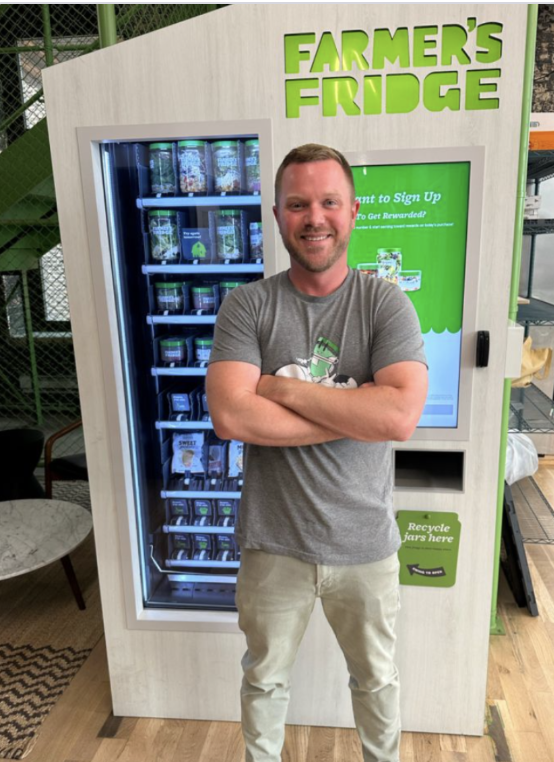
Kyle Markt is a CEO, chef, and strategic advisor with 20+ years of experience in food business strategy, operations, and commercialization. As founder of Culinary Strategist, he partners with restaurants, food brands, and manufacturers to build smarter, more profitable food businesses.

Kyle Markt
CEO, chef, operator, and strategic advisor with 20+ years of experience in food business strategy, culinary innovation, and operational excellence. Founder of Culinary Strategist, helping restaurants and food brands build smarter, more profitable businesses.
Connect on LinkedIn →